

Glycol vs. Chilled Water Cooling: Choosing the Right Infrastructure for Modern Data Centers
05.13.2026 | Industry News
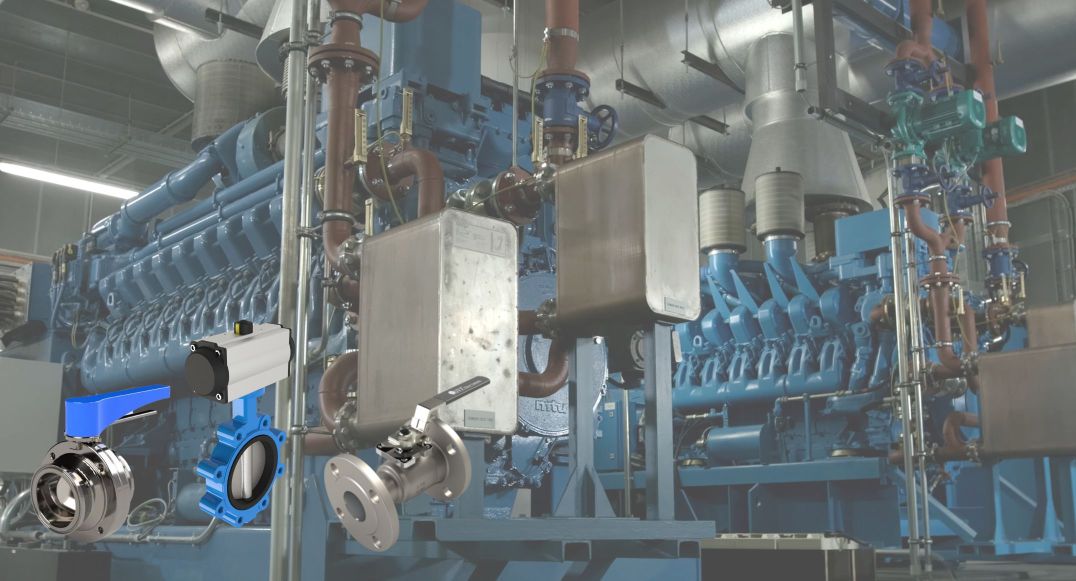
As data centers continue to expand to support AI, cloud computing, and high-density server environments, cooling infrastructure has become one of the most critical components of overall facility performance. Selecting the right cooling medium, whether glycol-based systems or traditional chilled water systems, plays a major role in efficiency, reliability, maintenance, and long-term operational stability.
Both systems are widely used across mission-critical facilities, but each offers distinct advantages depending on the application, climate, and cooling requirements.
Understanding Chilled Water-Cooling Systems
Chilled water systems are commonly used in large-scale data centers because of their efficiency and ability to support high cooling loads. These systems circulate cooled water through CRAH units, heat exchangers, or liquid cooling systems to remove heat from IT equipment.
Advantages of Chilled Water Systems
- High thermal efficiency
- Lower operating costs in stable environments
- Excellent heat transfer capabilities
- Commonly used in hyperscale facilities
However, chilled water systems can become vulnerable in colder climates or environments where freezing temperatures pose a risk to exposed piping or outdoor infrastructure.
The Role of Glycol Cooling Systems
Glycol systems use a mixture of water and glycol to provide freeze protection while still maintaining effective heat transfer performance. These systems are often used in outdoor loops, rooftop equipment, dry cooler systems, and facilities operating in colder regions.
Advantages of Glycol Systems
- Freeze protection for outdoor piping and equipment
- Improved system protection in fluctuating climates
- Reliable operation in low-temperature environments
- Reduced risk of system damage during shutdowns or emergencies
While glycol systems provide additional protection, they also require careful flow control and material compatibility considerations due to differences in viscosity and heat transfer performance.
Why Flow Control Matters
Whether using glycol or chilled water, precision flow control is essential to maintaining thermal stability, system efficiency, and uptime within mission-critical environments.
Poor flow management can lead to:
- Reduced cooling efficiency
- Increased energy consumption
- Pressure fluctuations
- Premature equipment wear
- Risk of downtime
Modern data centers require valve solutions capable of delivering reliable performance under continuous operation while supporting automation, maintenance accessibility, and long-term durability.
Supporting Reliable Cooling Infrastructure
SVF Flow Controls provides precision valve and automation solutions designed to support demanding cooling applications across modern data center environments. From automated ball valves and butterfly valves to custom assembled packages, SVF solutions are engineered for reliability, efficiency, and responsive system performance.
Unlike suppliers who outsource assembly and testing, SVF performs critical manufacturing and quality processes in-house, helping customers reduce lead times, maintain tighter quality control, and accelerate project timelines.
As cooling infrastructure continues to evolve alongside AI and high-density computing demands, reliable flow control will remain a critical part of building efficient, scalable, and resilient data center operations.